Weekend Robotics Hackathon Focuses on Healthy People and Environments

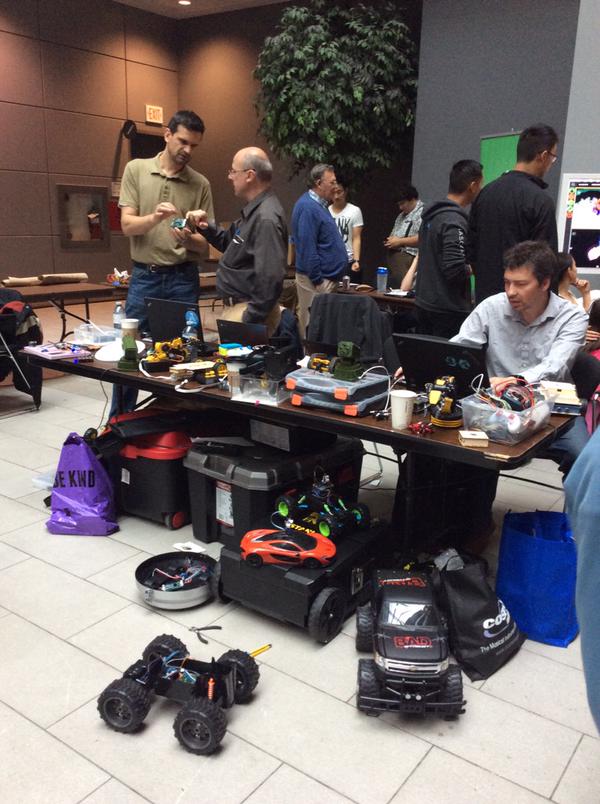
Several teams of hackers “got their bot on” at the MaRS center over the weekend as part of a robotics hackathon aimed at creating robots that promote healthy people and environments.

Teams of four could choose either a beginner base kit with an Arduino or a more advanced base kit with a Raspberry Pi. Wearables were also available to borrow such as Pebble Watches, Estimote Beacons, EEG-enabled gesture control Myo bands, the Nod Ring for gesture control, Microsoft Kinnects for 3D imaging and vision, 1mini A8 for GPS Tracking, Tobii EyeX and EyeTribe Trackers for eye tracking, and the EEG-enabled Muse Headband.

Participating hackers were also given demonstrations and one-on-one time with technology experts.

The hackathon ended Sunday with a demo to determine the winning projects. Calmstress, Indie and GestJump won.


A team from the University of Toronto’s Health Innovation Hub (h2i) built CalmStress which pushes on pressure points when stressed.

GestJump, made by members of OCAD’s Imagination Catalyst, is a skip rope for the social media age – encouraging fitness by sending selfies while skipping.

The Indie robot is aimed at providing patient data to a doctor more conveniently.

Judges included CBC Radio host Nora Young, AutoDesk’s Gord Kurtenbach, and MaRS Discovery District’s Jon Dogterom.

For tweets from the event, check out #GYBO2015.

Online News Aggregator Newsana Bought by Relish Interactive

Newsana, an online news aggregator aimed at getting experts to recommend news stories, has been bought by Toronto-based creative agency Relish Interactive.

In a message to Newsana members Tuesday, Newsana co-founder Ben Peterson noted:

Newsana is in good hands. Relish has vowed to not only keep Newsana up and running, but to take our community to the next level.

Relish is one of Toronto’s most accomplished digital development shops, with a growing portfolio of digital content startups under their roof. Newsana will fit right in there – especially considering their team has played a huge role in building Newsana from day one. All said, I’m confident that under Relish’s watch Newsana.com will only get stronger with age.

On a personal note, thank you. Thank you for being a part of Newsana and thank you for making this one of the most rewarding periods of my professional life.

Last year, Newsana launched an offshoot service called MindMarket, which essentially provides a publishing platform for writers with a paywall so they can collect monthly subscription fees from their audience. MindMarket was not acquired by Relish Interactive in the deal.


Spherical Camera Bubl Raises $4.6M in Seed Funding Round

Toronto’s Bubl Technology, the maker of a spherical camera for capturing 360-degree images and video, closed a $4.6 million seed round Wednesday. The round was led by Samsung Ventures, J-Tech Capital, and other unnamed investors.

At the time of the funding announcement, Bubl founder Sean Ramsay announced he would be relinquishing his role as CEO, and taking on the role of Chief Innovation Officer. Current VP of Hardware, Dan Mills, will serve as interim CEO as the Board of Directors searches for a permanent CEO.

Bubl had gotten its seed funding from a successful Kickstarter campaign, and the latest funding news comes shortly after it began shipping its cameras to initial backers in August. Bubl missed its initial goal of shipping in May 2014, but the timing of the actual release nicely coincides with the growing interest in Virtual Reality and Augmented Reality applications of 360 imaging. In the mean time, however, competition has grown with Japan’s Ricoh unveiling its 360-degree camera, Theta, and France’s Kolor providing software to stich GoPro footage together.

Ramsay said in a statement, “Bubl Technology has evolved since our initial Kickstarter campaign. The original vision was a simple – to use app and a spherical camera, but now we’ve developed so much more – an entire ecosystem of hardware and software spherical technology for consumers.”

Digging into Data Privacy on #DataPrivacyDay

Whether or not it’s marked on your calendar, January 29 is “Data Privacy Day”.

Ideally, it’s a day that we reflect on how our personally information is being used by business and government, and how this may impact our lives.

In exchange for brand new online services, we often give companies the ability to collect information on us. And meanwhile, governments are becoming sophisticated in their data collection practices, often reasoning that it helps them protect children and detect terrorist plots – which may, in fact, work. But there’s also an importance to having a reasonable expectation around privacy, and at least some control around what is made public knowledge.

1. New Details Emerge Around a Canadian Spy Agency’s Mass Online Surveillance

In the name of terrorism prevention, it was revealed Wednesday that Canada’s Communications Security Establishment collects metadata on millions of online downloads every day by people around the world as part of a project dubbed “Levitation”.

Levitation was detailed in presentation slides obtained by former NSA contractor Edward Snowden, and reported in cooperation by CBC News and The Intercept. The Five Eyes intelligence alliance, which includes Canada, the U.S., the U.K., Australia and New Zealand, means that CSE could exchange this metadata with foreign agencies. CSE is not, however, supposed to target Canadians and when untargeted Canadians are inadvertently swept up by mass surveillance, it must mask their identities before sending their information abroad. 

2. Kids Content Producers Reiterate the Importance of Childrens’ Privacy

While they might not have much control over what what government agencies do, content producers have a great deal of agency when it comes to the user privacy of their apps.

On Tuesday, a handful of kids online media and gaming professionals attended a meetup at Ryerson’s Digital Media Zone.

Unsurprisingly, privacy is an enormous concern for children, who are at once very vulnerable online but also surprisingly capable of bypassing systems designed to keep them safe.

The most important legislation that any company that collects personally identifiable information on children under the age of 13 is the Children’s Online Privacy Protection Act passed in the U.S. in 1998, and even foreign companies are subject to it. It includes stipulations such as requiring companies provide parents the data collected on their child upon request, and ensuring that a child doesn’t have to give over more personal information to progress in a game or to access more content.

Given that there are unique legal considerations for digital content aimed at kids – as well as usability considerations – Montreal software developer Floop was showcasing its suite of services that help developers of kids iOS apps. For instance, iOS apps designed for children must have “parental gates” that ensure that children don’t access age-inappropriate content within the app or outside of it. Floop provides an SDK that makes it easy for developers to add parental gates, but also add kid-friendly video, ads, and links to other games all within the app. This ensures that children have a selection of content to view without being exposed to the wider (and scarier) internet.

3. We’re Reminded that Privacy Is in Our Hands (to a Certain Extent)

On Wednesday, Mozilla’s Webmaker initiative launched “Private Eye”, a tutorial that shows web users (ie. everyone) who might be tracking them online.

“From knowing what sites are tracking your clicks to what data you’re giving away, understanding online privacy is a critical issue,” writes Webmaker Community Manager (and former Torontonian) Amira Dhalla.

By way of the Firefox Lightbeam plugin, Private Eye helps show what third-party sites are tracking your online activity in addition to the sites you actually meant to visit.

While the government’s involvement in data collection remains abstract and unclear, and businesses struggle to incorporate privacy into their apps, tools like the ones Mozilla builds help us understand the privacy implications of our own activity online, and ultimately help us make informed decisions.
BrainStation to Launch New Coding Academy for Teens with Free Day of Coding

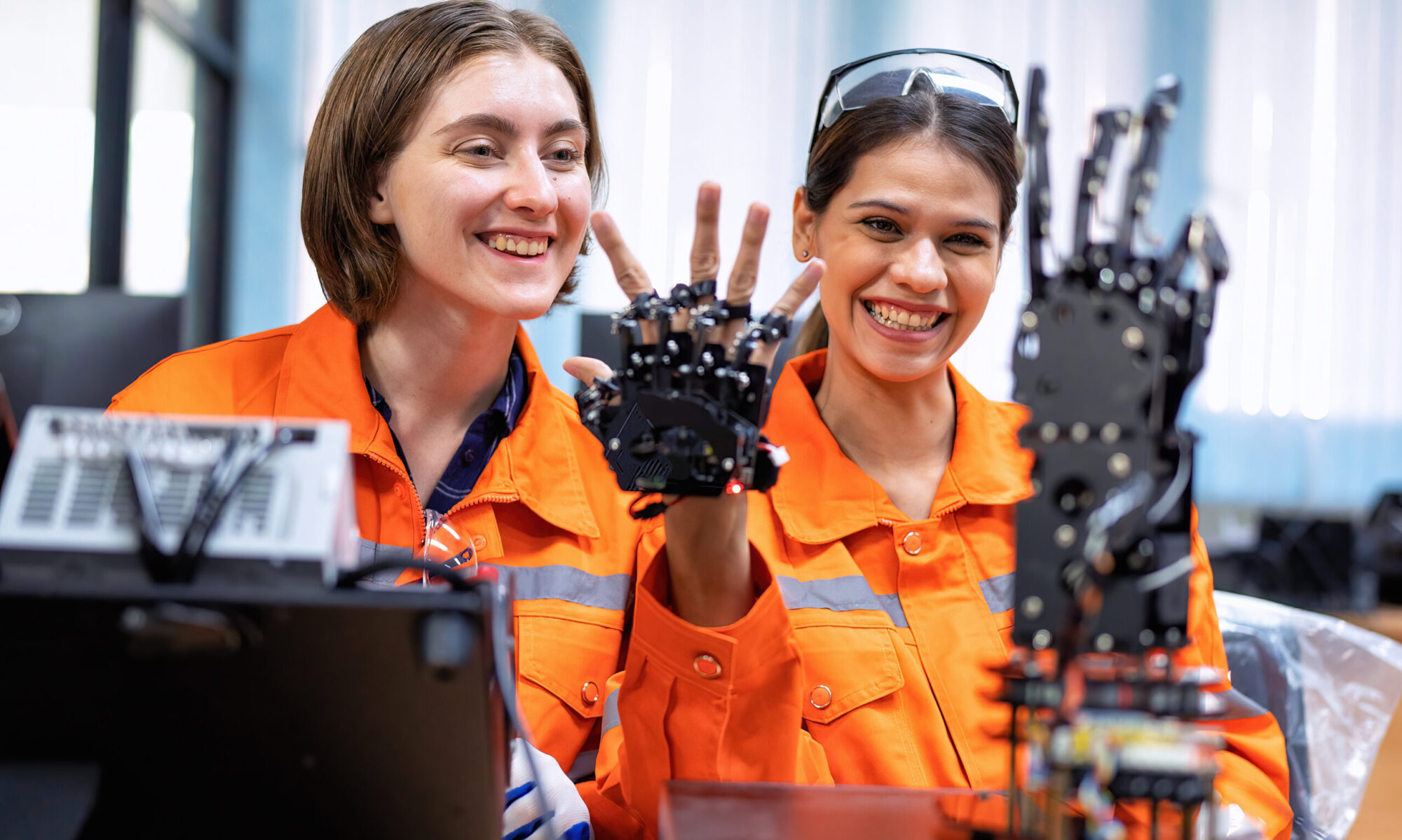
In an effort to encourage a new generation of coders, web training company BrainStation is launching “BrainStation Academy”, a program aimed at Toronto-area youth in grades 9 to 12 with courses beginning in March.

Along with the announcement of BrainStation Academy, BrainStation is holding a free day of code (RSVP required) event taking place on Saturday February 7th, at BrainStation HQ (445 King St. W., Floor 3). This includes a free, three-hour crash course in front-end web development – essentially the basics of building websites.

But that’s not everything.

According to BrainStation’s announcement, “Students will hear from speakers in the Toronto technology space, including the lead developer from Shopify and manager at Twitter. Students will have the opportunity to network over beverages and snacks, but most importantly put together their very own webpage in just hours.”

Students to attend the free day of code are eligible to receive a $500 discount for BrainStation Academy courses.

There’s no word on the pricing of BrainStation Academy courses, but regular adult courses are typically $2,500 (or $2,200 if bought well in advance).

RSVP Link:

http://www.brainstation.io/events/hackthatpage

Date:

Saturday, February 7, 2015
1:00 PM to 4:00 PM

Location:

BrainStation
445 King Street West
Floor 3

It’s a Car; It’s a Bike; It’s a Smart Way to Get Around Built by U of T Students

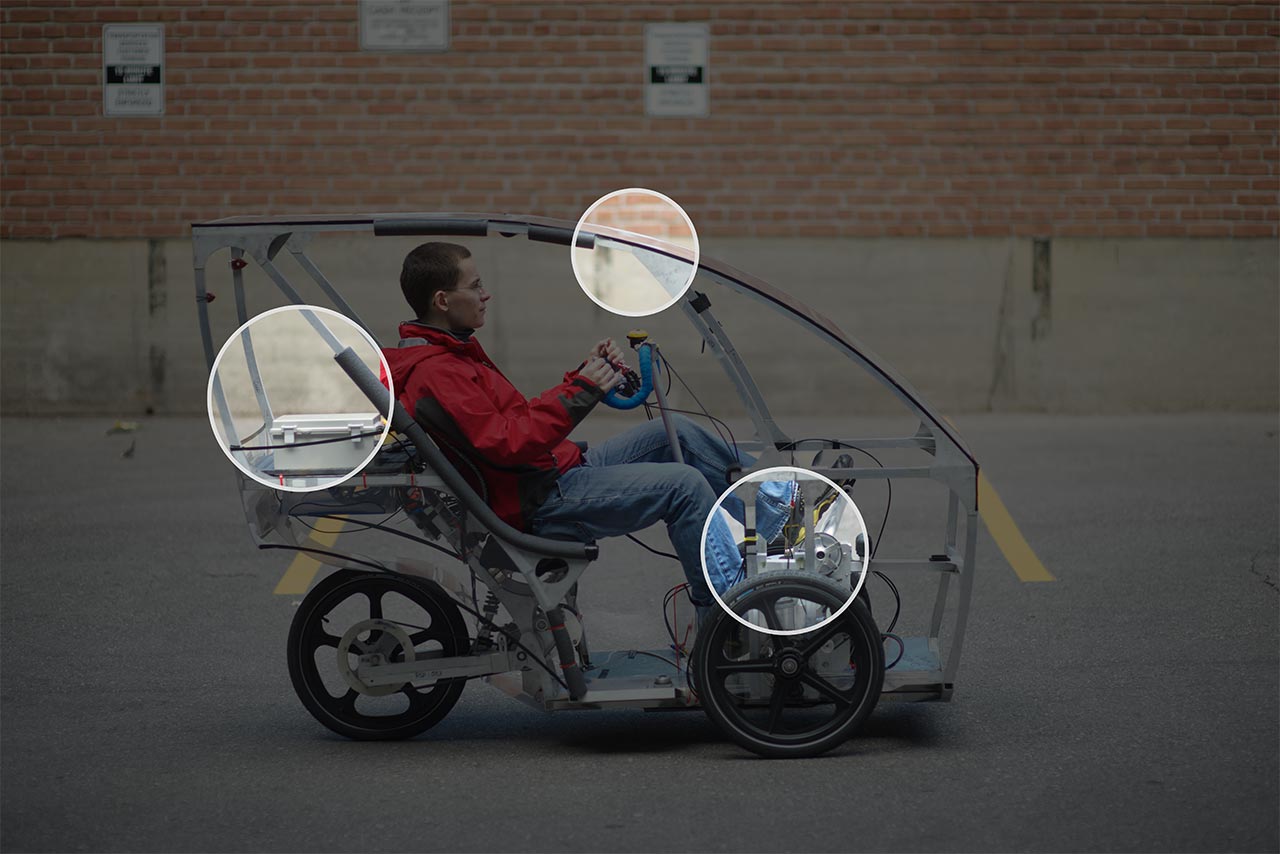
University of Toronto PhD students Phil Lam and Jonathan Lung have spent 18 months designing and building the prototype of a electric vehicle designed for urban transportation – but it’s neither a car nor a bike. Think of it as a “car-bike”.

Right now, the prototype has three wheels, an enclosure provides some shelter from the elements, and a seat for a single person. The electric motor that propels the vehicle (at a maximum speed of 32 km/h) can be plugged in to charge, or the driver can pedal to charge a battery. Eventually, they plan to add to the original design with a solar array to charge the battery and the option of having a second seat.

Lam and Lung are pursuing this project under the name “Sojourn Labs”, which is supported by U of T’s Impact Centre, a program that has been helping students, researchers, and industry collaborate on technology startups for the past five years.

The pair hopes to land a six-figure investment to turn this prototype into a commercially available product in the next year or two.

In an interview with the Toronto Star, Lam said the vehicle “combine[s] the benefits of driving a car with all the good things that come with riding a bicycle.”

While the price of the vehicle is not disclosed, affordability is one of the major considerations. In terms of classification, the vehicle is technically an e-bike, meaning that drivers won’t need registration, a licence or insurance, which keeps costs down and avoids barriers to would-be drivers.

Given Toronto’s beleaguered transit system, legendary gridlock, and various dangers to cyclists, it would be interesting to see if this ‘car-bike’ will provide a useful addition to the urban transportation mix.

Toronto’s Startup Fashion Week is a Melding of Fashion, Technology and Business

Pictured above is the 26-year-old founder of Love Winter, Polina Roufanova, modeling the Valenki boots (pronounced va-LENG-kee), which merge traditional 300-year-old Siberian footwear design with modern styling and materials. They’re essentially a tall wool felt slipper with rubber galoshes that clip on. They’re designed to brave a cold (and slushy) Toronto winter, but then convert into versatile indoor slippers just by taking off the galoshes.

This is perhaps the perfect example of the creativity shown at Toronto’s Startup Fashion Week, a three-day long meeting point of fashion, technology and business which is ending today.

The event has featured presentations and panels on topics relating to an emerging world where technology influences fashion. It also seems like a great place to learn about trends in the areas of retail-tech, fashion-tech and wearable-tech, and presents some great networking opportunities for entrepreneurs in fashion design and digital fashion startups.

Hang Loose Media Studios (28 Logan Ave.) will be the location of the closing runway show, “The Future of Fashion”, which starts at 7pm tonight, and is followed by an afterparty. (For 50% off, use promocode: Launch50).

It features emerging designers, Maybe by CatalfoThe Wild NorthAtelier GuarinKLATT by Alanna Klatt, and VANIKA.

VANIKA, which bills itself as an independent label “rooted in a passion for biology”, is run by 16-year-old Vanessa Kiraly and seems particularly interesting, and undoubtedly represents the future of fashion.

(Photo courtesy of Shayne Gray)

Ubisoft Seeks to Show There are Opportunities for Female Film Nerds in the Game Industry

As part of an initiative to support women in film and TV, producer Shasha Nakhai was given the opportunity to spend a week at Ubisoft’s Toronto office to learn the ins and outs of game production.

Ubisoft is, of course, the massively successful game studio behind the Assassin’s Creed and Far Cry franchises. However, it received a lot of negative attention when gamers could only play as a male character in Assassin’s Creed Unity. And with Far Cry 4, it (albeit narrowly) decided not to have a female playable character.

Meanwhile, general controversies such as “Gamergate” have revealed the frightening extent to which sexism is still a major issue in gaming.

Given this backdrop, it’s definitely important that gaming companies stop alienating women – who, by the way, make up 48-percent of all gamers – but also make a real effort try to get them to be involved in the gaming industry.

In a video from Ubisoft, Nakhai was given a warm welcome by the company, meeting with producers, programmers, creative directors, sound designers, and the motion capture team. While stereotypes are strong in the games industry, showing the different roles and diverse creative skills needed in modern games helps counteract the stereotype.

Nakhai said the games industry could be an overlooked opportunity for people trained in film and TV. “Even though you don’t have experience in the games industry, your skills can still be transferable,” she said.

However, to work in games, there are a few new things to get used to.

Nakhai said, “Game production seems to take much longer in development, and actually figuring out what you have in the first place. Whereas with a film, you have a script. You can read off the script and say, ‘This is going to be a good movie.’ And in gaming you don’t actually know that until you’ve actually tried it out.”